Recently, a major uproar erupted across social media, spotlighting the standard of Singapore schools. A Swiss teacher, after completing a teaching internship in Singapore, commented about the perceived low standard of Singapore schools.
This statement quickly gained traction, fueling debates about education quality in the city-state.
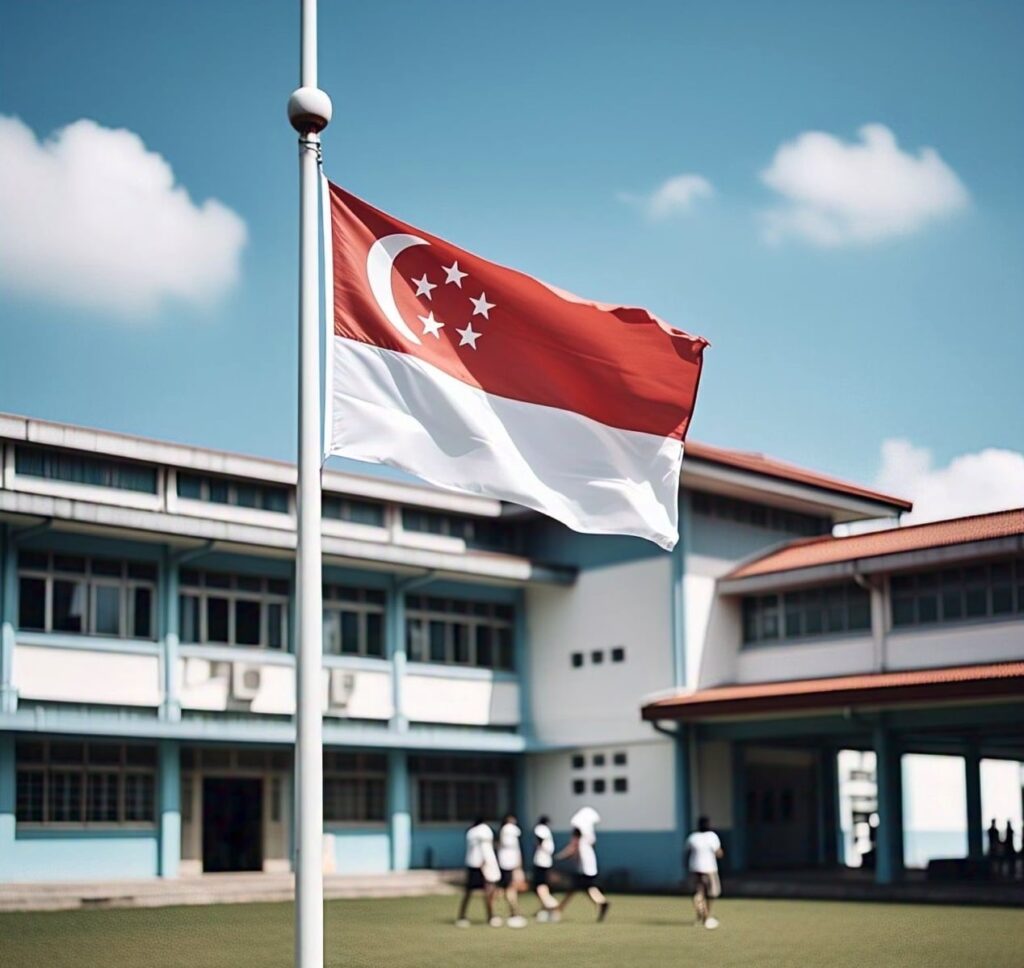
I can’t help but agree with the Swiss teacher’s perspective.
Yet, Singapore consistently ranks well.
She is among the top globally for math and science proficiency. This juxtaposition—low perceived quality alongside high performance—might seem contradictory. How do these contrasting views align?
A wise observer, MrWangSaysSo, once noted, ‘Singapore produces so many excellent students because of its world-class tuition classes.‘

Low Standard of Singapore Schools, Why Students Seek tuition
A student once shared a poignant critique of their education in the now-removed 26/4/2016 article, Paper Lantern of Elite Education in Singapore. The article highlights perceived shortcomings in the standard of Singapore schools, particularly in elitist institutions fixated on maintaining a glossy image to drive competitive enrollment.
This focus on appearances often overshadows the true purpose of education, raising concerns about the quality and priorities within these schools. In pursuit of a façade, the standard of Singapore schools suffers as administrators prioritize superficial metrics over meaningful learning outcomes, leaving students under-served.
A key issue is the introduction of meaningless KPIs for teachers, which adversely affect learning outcomes. Teachers, aiming to advance their careers, focus on non-educational tasks that earn them recognition and performance bonuses rather than improving teaching quality.

As this shift diverts attention from education, student grades often decline, leading to a surge in demand for tuition. While students perform better with external help, teachers may gain a misleading sense of success due to improved pass rates and A grades. This creates an illusion that the standard of Singapore schools remains uncompromising, masking deeper systemic issues.
Filled with Unnecessary Activities, Undermining the Standard of Singapore Schools
When teachers prioritize non-academic tasks, the effects trickle down to students. Thus impacting the standard of Singapore schools.
Students face a flood of mandatory activities, like collecting donations at MRT stations. Good intentions once drove this idea. It aimed to push students beyond classrooms to help the community. Now, it wastes time instead.
Students participate with little motivation or understanding, often laughing it off or unaware of the organizations they’re supporting.

Why not elevate the standard of Singapore schools by teaching students practical skills like marketing principles instead? Challenging them to devise creative, modern ways to raise funds—perhaps digitally, in a phone-obsessed world—could replace outdated methods.
Yet, as the world advances, our schools lag behind, failing to prepare students for the future.
Teachers are Disposable
A letter in The Straits Times pleads with MOE to keep talented teachers in public schools, vital to the standard of Singapore schools. It hopes to stop them from joining the tuition industry, where only wealthier students benefit.
Wishful thinking aside, MOE might actually welcome teachers leaving. Why? Vacancies draw young hopefuls into the teaching profession, keeping NIE (National Institute of Education) busy. MOE controls teacher training as NIE’s gatekeeper and employer.
Meanwhile, Singapore’s aging population outpaces birth rates. There are fewer school-age kids today. Schools get budgets based on student numbers—at least government ones do—so education funding shrinks.
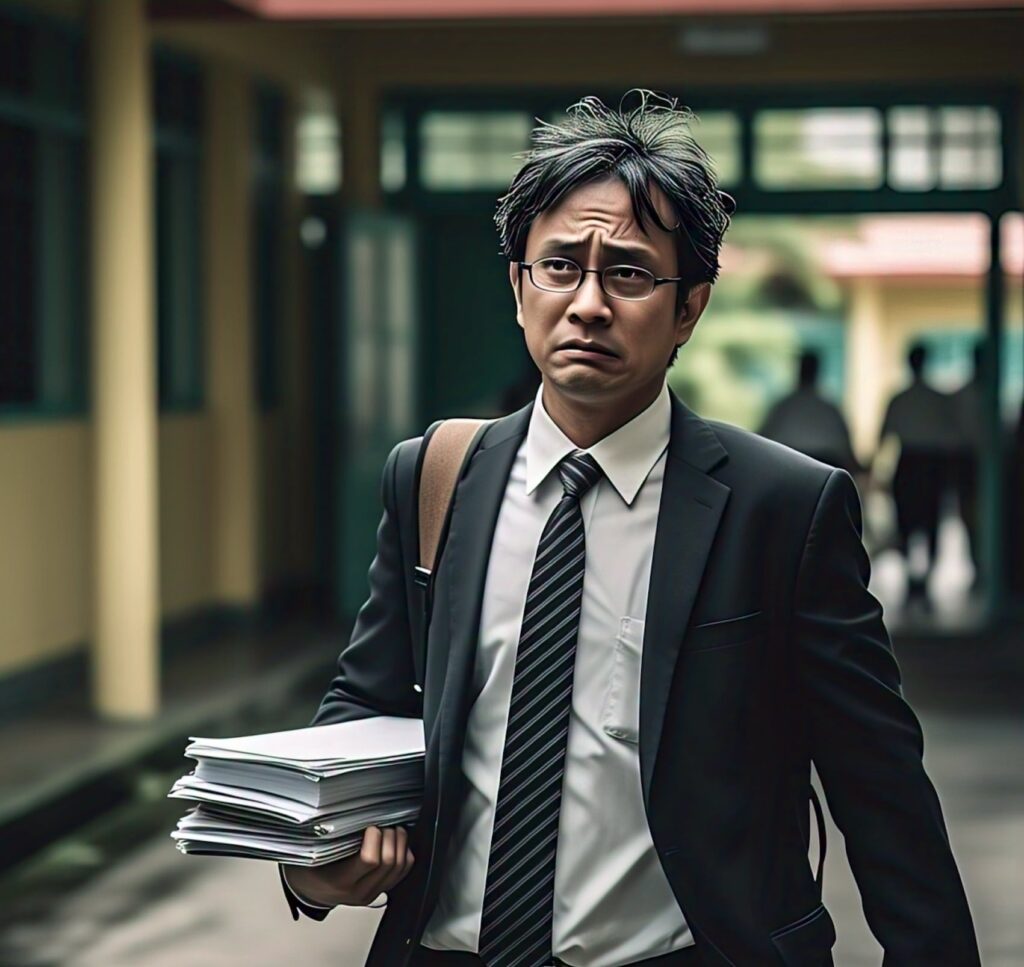
With fewer students, replacing departing teachers grows harder. Great, experienced educators keep exiting further enhancing the tuition industry. As tuition quality rises, this makes it essential for students to seek outside help to gain a solid education. Meet the new standard of Singapore schools, version 2.0.
Singapore Schools Run by Unhappy Teachers
I don’t have sympathy for the MOE, despite understanding they have a lot on their plate. The pressure to maintain appearances to showcase the standard of Singapore schools globally ultimately harms teachers.
Teachers are the first casualties of this image game. If schools could focus solely on teaching, I believe the tuition industry would collapse overnight, and the standard of Singapore schools could improve as a result.
Teachers are often mistreated. Many start bonded to MOE, allowing superiors to offload scut work on them, knowing they can’t leave without paying hefty sums. This creates bitterness, and many teachers just go through the motions, counting down to the end of the day.
I remember speaking to my senior colleagues, who were disillusioned and full of negative energy. Years of mistreatment had taken their toll, and with no viable escape, they passed on their frustration to new teachers and students. Freshly trained teachers entering into the profession suffer, and students endure lifeless classes consequently.
Will it ever change? Perhaps. If the MOE shifts KPIs to focus on the well-being and happiness of teachers instead of maintaining appearances. But with recent policy changes, like charging teachers a monthly fee for parking in school, this is not helping the teacher morale.
Bottomline
Why can you do if you are a JC student and is suffering from the low standard of your school? I talk about it here.
Improving the standard of Singapore schools starts with prioritizing teacher well-being. When educators are empowered and supported, students thrive, and schools can deliver meaningful, high-quality education.
Next, shift the focus from superficial metrics to genuine learning outcomes, the standard of Singapore schools can truly reflect its potential, benefiting students, teachers, and the nation as a whole.
Read my other posts
- An Australian medical school accepted my student! [interview]
- How to improve your online learning experience [2 tips]
- H1 or H2 Biology ? Make the right choice as changes start 2026